British country homes have always possessed a quiet confidence. Whether it is a honey-coloured Cotswold cottage, a Georgian farmhouse tucked behind stone walls, or a grand manor surrounded by rolling parkland, the beauty of these homes lies not in chasing trends, but in embracing enduring style.
In 2026, interiors are moving even further away from short-lived fashions and returning to something far more meaningful: warmth, craftsmanship, texture, and a sense of permanence. Homeowners are seeking spaces that feel collected rather than decorated, layered rather than styled, and deeply personal rather than showroom-perfect.
Across the countryside, there is a noticeable shift toward interiors that celebrate heritage while still feeling fresh and liveable. The focus is less on perfection and more on atmosphere—rooms that feel welcoming in winter, light-filled in summer, and beautiful every day in between. Designers are favouring natural materials, muted colours, artisan details, and furniture that improves with age rather than dates quickly. Warm earthy palettes are replacing colder monochrome schemes, while built-in storage and thoughtful craftsmanship are becoming just as important as decorative beauty.
These are not simply design trends for a single season—they are timeless principles that suit British country living beautifully.
Here are five interior design trends that will define luxury countryside living in 2026 and, more importantly, will still look wonderful many years from now.
1. The Return of Earthy Greens and Terracotta
The era of cool greys and stark white minimalism is quietly fading. In its place comes warmth—soft stone shades, muted greens, chalky creams, clay pinks, warm taupes, and deep woodland tones that feel rooted in the landscape beyond the windows.
British country homes naturally lend themselves to this palette. Limestone floors, oak beams, original fireplaces, and antique furniture all sit more comfortably against warmer, softer tones than against bright white walls or sharp monochrome schemes.

In 2026, “colour drenching” continues to grow in popularity, where walls, woodwork, and sometimes even ceilings are painted in tonal variations of the same shade. Rather than creating contrast, the aim is calm cohesion. A sitting room in soft olive green or a snug in deep mushroom brown feels intimate, elegant, and quietly luxurious.
This approach works particularly well in period homes where architectural details deserve subtle enhancement rather than dramatic interruption. Picture panelled walls painted in muted sage, linen curtains in oatmeal tones, and antique brass lighting glowing softly in the evening.
These palettes also create a stronger connection between indoors and outdoors. A house surrounded by gardens, fields, or woodland should feel as though it belongs to its setting, not separate from it.
The result is not simply fashionable—it is deeply comforting, and that is precisely why it lasts. Designers are increasingly moving away from cold black-and-white contrasts and toward warmer off-whites, clay tones, olive greens, and tonal layering that feels softer and more inviting.

2. Tonal Layering for Sophisticated Depth
Timeless interiors are built on materials that improve with age.
Solid oak tables marked by family dinners, unlacquered brass taps that develop character over time, reclaimed flagstones worn smooth by years of footsteps, hand-thrown pottery sitting beside old books—these are the details that give country homes soul.
In 2026, there is a strong rejection of what many designers call “fast interiors”—quick, disposable decorating choices that feel temporary and often lose their appeal within a few years. Instead, homeowners are investing in fewer, better pieces: furniture with quality joinery, natural stone surfaces, linen upholstery, handmade tiles, and solid wood cabinetry designed to last.
This is particularly important in British country homes because architecture and interiors should feel in conversation with one another. A centuries-old farmhouse does not want synthetic gloss finishes or flat-pack styling. It wants timber, limewash, wool, iron, and stone.
Texture matters just as much as material. Washed linen, boucle armchairs, aged leather, woven baskets, sisal rugs, and exposed timber all create the layered softness that makes a room feel lived in rather than staged.
There is also a sustainability benefit to this slower approach. Buying once and buying well is both environmentally sensible and aesthetically superior. A Welsh blanket passed through generations carries more beauty than any mass-produced seasonal accessory.
Luxury in 2026 is not shiny or new—it is authenticity, craftsmanship, and the quiet confidence of things made properly.


Cotswold Cottages: Britain’s Dream Country Homes
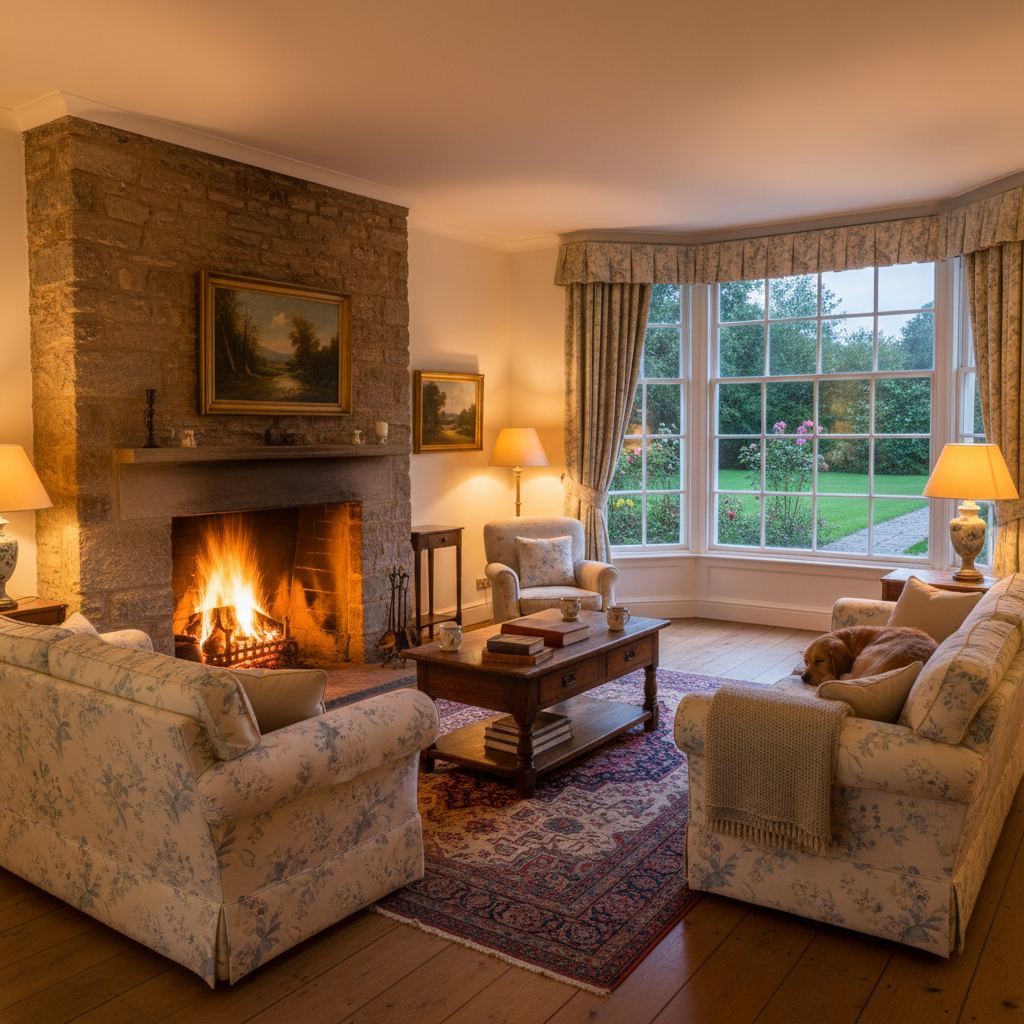
Essential Tips for Designing a Classic British Country Home Interior
Creating a classic British country home interior is about more than just decoration; it’s about…

Georgian Country Homes
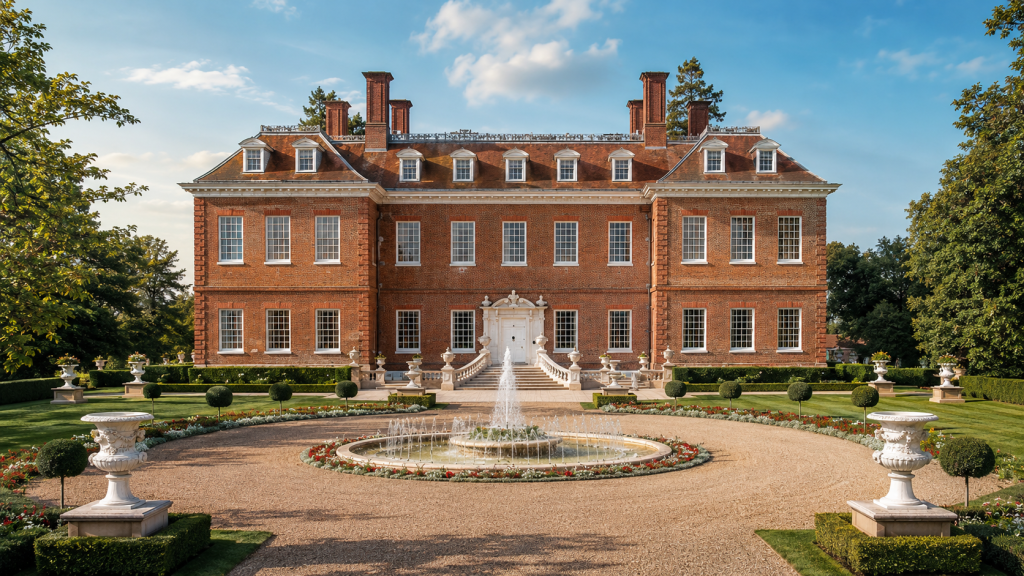
Denham Place: A Historic British Country House and Buckinghamshire Mansion

British Royal Palaces
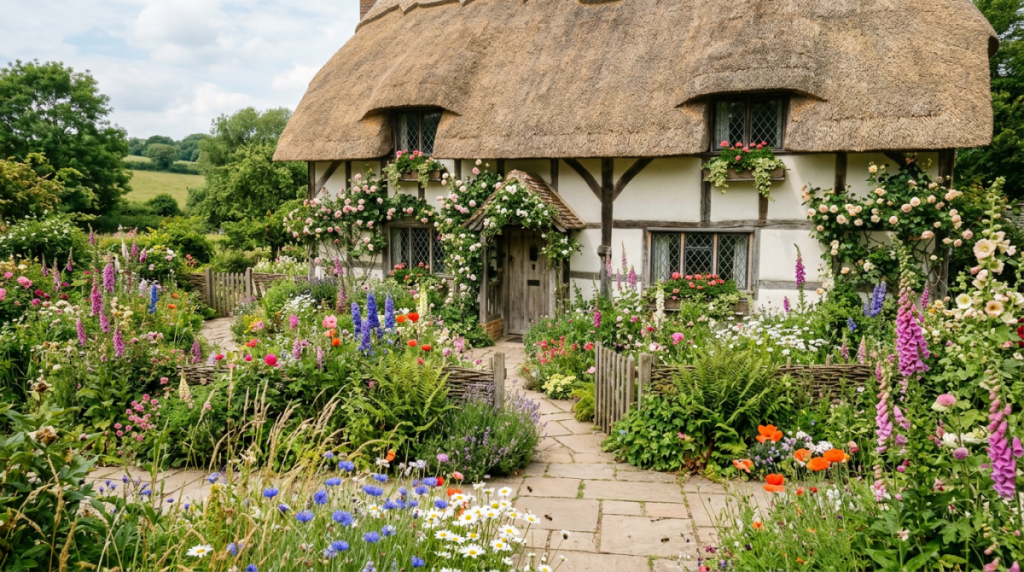
Exploring British Period Property: A Heritage Guide to Luxury Country Living
3. Natural Materials and Sustainable Luxury
Sustainability is no longer a fleeting trend or a marketing buzzword; it has evolved into a fundamental design standard for the modern era. Today, British country homes are leading this shift by returning to their architectural roots, embracing natural, raw materials that offer both ecological benefits and an enduring aesthetic.

Reclaimed oak, salvaged from historic structures, brings a sense of grounded heritage and unmatched character to contemporary interiors, while honed limestone provides a tactile, timeless presence that reflects the rich geological diversity of the British landscape. Organic linen, prized for its breathability and minimal environmental footprint, adds a layer of soft, understated luxury to living spaces.

These materials do more than just furnish a home; they age with a unique grace, developing a distinctive patina that mass-produced alternatives can never replicate. By prioritising these sustainable elements, homeowners are weaving a narrative of meticulous local craftsmanship and a deep-seated respect for the natural environment that defines the British countryside.
4. Small-Scale Prints and Heritage Motifs
Micro-prints are currently experiencing a significant resurgence in the world of interior design, offering a refined way to introduce pattern without the visual noise of larger motifs. From delicate, vintage-inspired florals to precise, heritage-style checks, these intricate designs establish a gentle visual rhythm that adds depth to a room while maintaining a sense of calm.

Drawing inspiration from classic textile traditions, these patterns act as a bridge between old-world elegance and modern minimalism. They are particularly effective in smaller, more intimate spaces—such as powder rooms, guest bedrooms, or cozy reading nooks—where large-scale prints can often feel restrictive or out of proportion.
In larger, open-plan environments, micro-prints excel as layered accents; when applied to scatter cushions, upholstered ottomans, or bespoke drapery, they provide a rich layer of tactile interest and a touch of traditional charm that makes a contemporary space feel curated and lived-in.
5. Modern Rococo: A Hint of Eccentricity
Perhaps the most important trend of all in 2026 is a philosophical one: homes are being designed to be lived in, not simply photographed.
British country homes are at their best when they feel inhabited. Mudrooms with proper boot storage, library corners with oversized reading chairs, breakfast rooms filled with morning light, utility rooms that are genuinely useful—these spaces matter as much as formal drawing rooms.
There is growing appreciation for comfort and practicality, but without sacrificing elegance.
Built-in bookcases, window seats, hidden laundry cupboards, walk-in pantries, and boot rooms lined with hooks and baskets all reflect a more thoughtful kind of luxury. These are not glamorous features for social media, but they dramatically improve daily life.

The same applies to sitting rooms. Sofas are deeper, fabrics are softer, lighting is warmer, and layouts encourage conversation rather than symmetry for symmetry’s sake.
Even entertaining spaces are becoming more relaxed. Formal dining rooms are giving way to spaces that can adapt—rooms that work equally well for Sunday lunch, Christmas gatherings, or a quiet weekday supper.
This is particularly suited to countryside living, where home is not simply where you sleep—it is where you gather, host, retreat, and restore.
Timeless design has never been about appearance alone. It is about how a house makes you feel.
And the most beautiful homes always feel like somewhere you want to stay.
Conclusion: A Home for Real Life
5 Timeless Interior Design Trends for British Country Homes in 2026
British country homes have always possessed a quiet confidence. Whether it is a honey-coloured Cotswold cottage, a Georgian farmhouse tucked behind stone walls, or a grand manor surrounded by rolling parkland, the beauty of these homes lies not in chasing trends, but in embracing enduring style.
In 2026, interiors are moving even further away from short-lived fashions and returning to something far more meaningful: warmth, craftsmanship, texture, and a sense of permanence. Homeowners are seeking spaces that feel collected rather than decorated, layered rather than styled, and deeply personal rather than showroom-perfect.
Across the countryside, there is a noticeable shift toward interiors that celebrate heritage while still feeling fresh and liveable. The focus is less on perfection and more on atmosphere—rooms that feel welcoming in winter, light-filled in summer, and beautiful every day in between. Designers are favouring natural materials, muted colours, artisan details, and furniture that improves with age rather than dates quickly. Warm earthy palettes are replacing colder monochrome schemes, while built-in storage and thoughtful craftsmanship are becoming just as important as decorative beauty. (Livingetc)
These are not simply design trends for a single season—they are timeless principles that suit British country living beautifully.
Here are five interior design trends that will define luxury countryside living in 2026 and, more importantly, will still look wonderful many years from now.
, it is about creating a home that feels timeless, and that never goes out of fashion.
Join Our Weekly Country Homes Letter
Every week, we curate the most beautiful British country homes, timeless interiors, hidden village gems, and countryside inspiration from across the UK.
From dream Cotswold cottages to elegant manor houses and heritage design ideas, our newsletter brings the very best of British countryside living directly to your inbox.
If you love classic interiors, historic homes, and beautiful rural living, make sure you don’t miss the next edition.

Discover the Finest Country Living
Join our newsletter to receive exclusive updates on premium property listings and countryside lifestyle insights from British Country Homes.