Georgian country homes are among the most admired houses in Britain. With their graceful proportions, orderly façades and quiet sense of grandeur, they represent an architectural style that still feels remarkably refined today.
Built during the Georgian era, from 1714 to 1830, these houses were designed to express balance, taste and permanence, qualities that continue to make them some of the most desirable period homes in the British countryside.
Unlike the rambling charm of a medieval manor or the decorative confidence of a Victorian villa, a Georgian country house often impresses through restraint. Its beauty lies in symmetry, proportion and detail. A central front door, rows of elegant sash windows, classical columns, pale stonework, fanlights and carefully balanced wings all combine to create that unmistakable Georgian look.
For many lovers of British country homes, the Georgian house is the dream: handsome, historic, spacious and surrounded by parkland, walled gardens or sweeping lawns.
The History of Georgian Homes
The Georgian period was a time of enormous cultural and architectural change in Britain. As wealth grew among landowners, merchants and the professional classes, the country house became more than simply a place to live. It became a statement of taste, education and social standing.
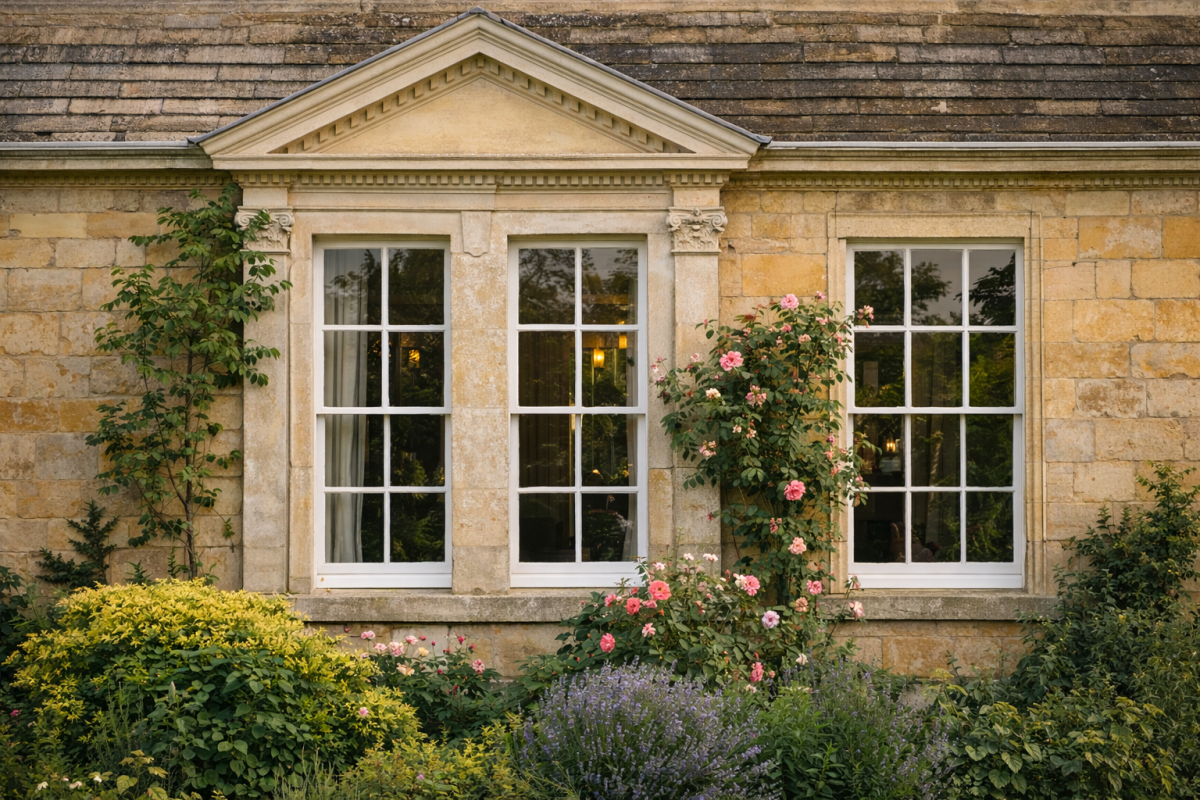
Inspired by classical architecture from ancient Greece and Rome, Georgian designers prized order and harmony. The ideal house was not overly fussy or flamboyant, but beautifully composed. Every window, doorway and cornice had its place. This created homes that felt calm, dignified and timeless.
Many Georgian country houses were built as rural retreats for wealthy families who also kept townhouses in London, Bath, Edinburgh or other fashionable centres. The countryside offered space, privacy and prestige.
A fine Georgian house might sit at the heart of an estate, approached by a long drive, framed by mature trees and positioned to enjoy views across gardens, lakes or rolling parkland.
Georgian Architecture

One of the great joys of Georgian architecture is its sense of visual order. These homes were designed to be pleasing to the eye, with façades that feel balanced and composed.
Typical Georgian country house features include:
- Symmetrical façades with a central entrance
- Evenly spaced sash windows
- Classical details such as columns, pilasters and pediments
- Fanlights above front doors
- Hipped roofs, often with dormer windows
- Fine brickwork or pale stone elevations
- Elegant cornicing and plasterwork
- High ceilings and generous room proportions
- Decorative fireplaces and refined joinery
The sash window is perhaps one of the most recognisable Georgian details. Tall, elegant and usually arranged in neat rows, these windows allow light to flood into the principal rooms. On larger houses, the ground and first-floor windows were often especially grand, reflecting the importance of reception rooms and bedrooms.

Doorways were also important. A Georgian front door often feels like the focal point of the entire façade, sometimes framed by columns, a pediment or a delicate fanlight. It gives the house a sense of ceremony before one has even stepped inside.
The Quintessential Georgian Estate
A Georgian country home is rarely just about the house. The wider setting is part of the romance.
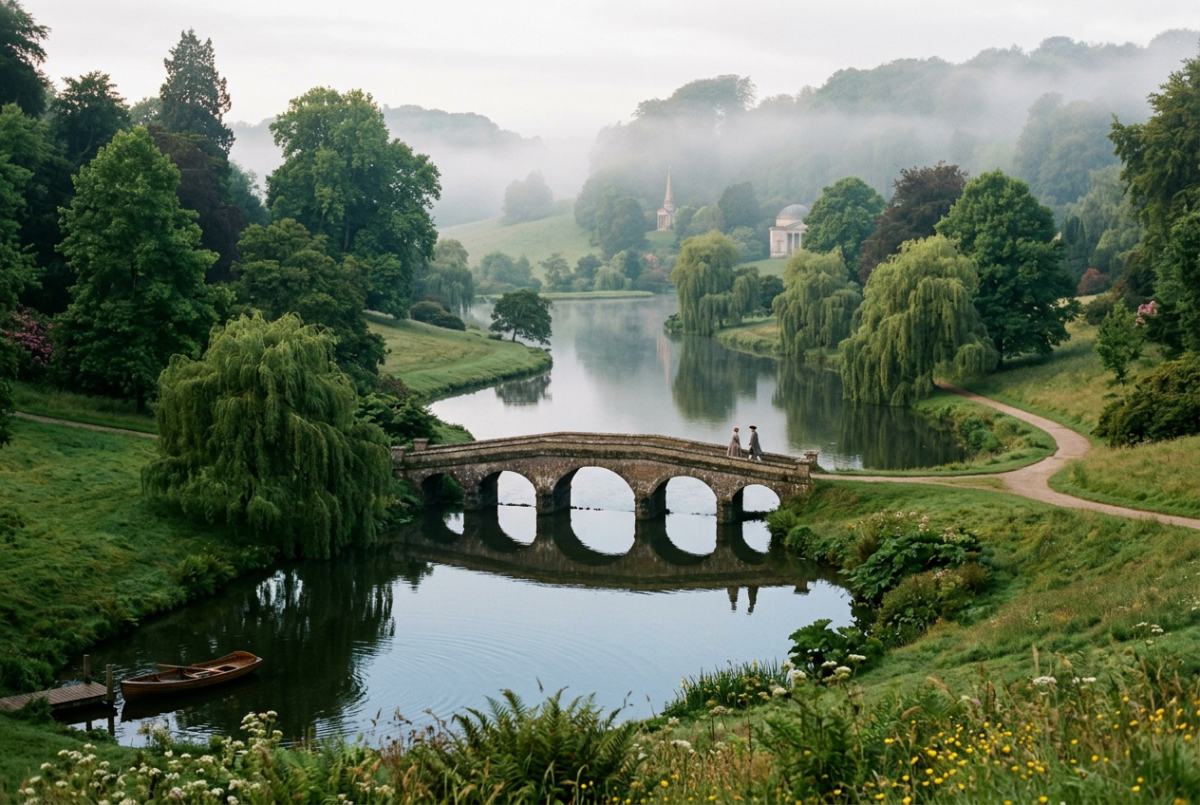
The perfect Georgian estate might include parkland, grazing fields, a stable yard, a walled kitchen garden, formal lawns, an orangery or a tree-lined drive. During the eighteenth century, landscape design became an art form in its own right. Landowners wanted grounds that looked natural and picturesque, even when they had been carefully planned.
Sweeping lawns, lakes, clumps of mature trees and carefully framed views all helped create a sense of effortless beauty. The house and landscape were designed to work together, with principal rooms often positioned to look out over the most attractive parts of the estate.
This is why Georgian country homes still photograph so beautifully today. Their clean architectural lines sit gracefully within the softness of the British countryside.
Inside a Georgian Country House
Step inside a Georgian country home and the sense of proportion continues. These houses were made for gracious living, with high ceilings, broad hallways and elegant reception rooms.
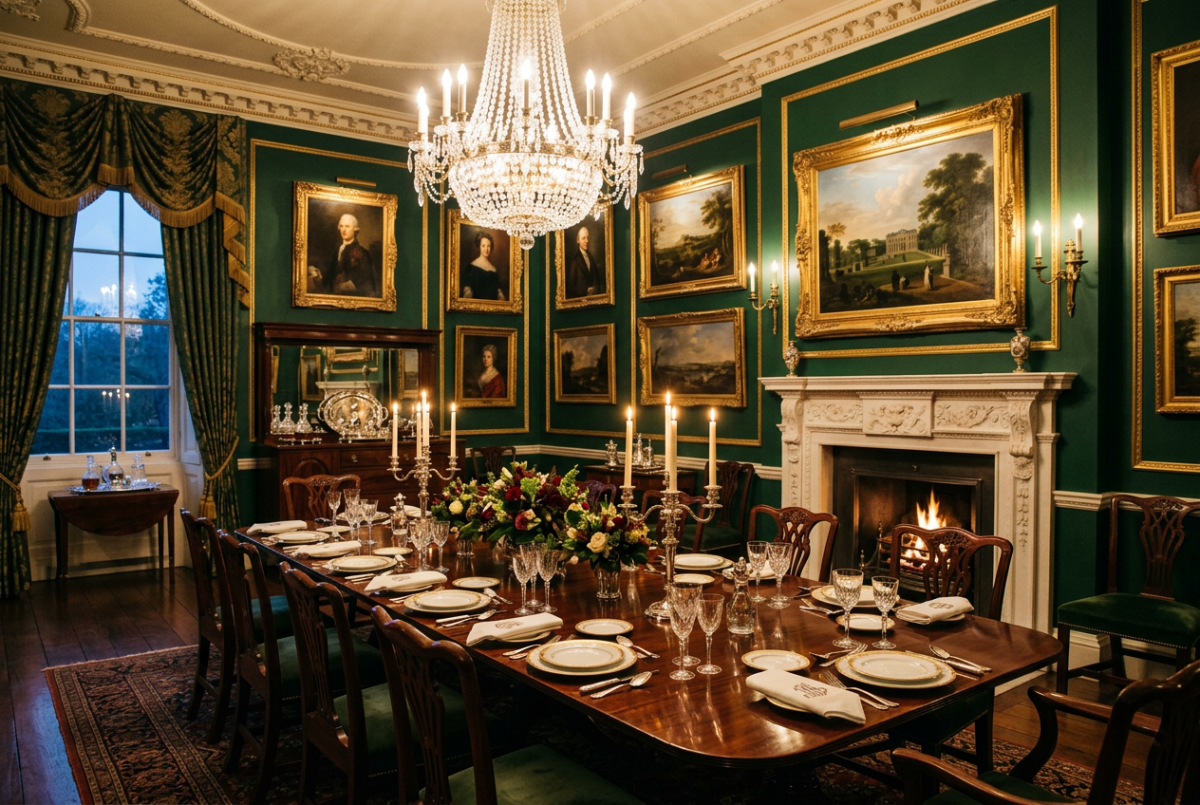
A typical Georgian interior might include a formal drawing room, dining room, library, study and generous bedrooms arranged across the principal floors. Decorative plasterwork, marble fireplaces, timber floors, panelled doors and tall windows all contribute to the atmosphere.
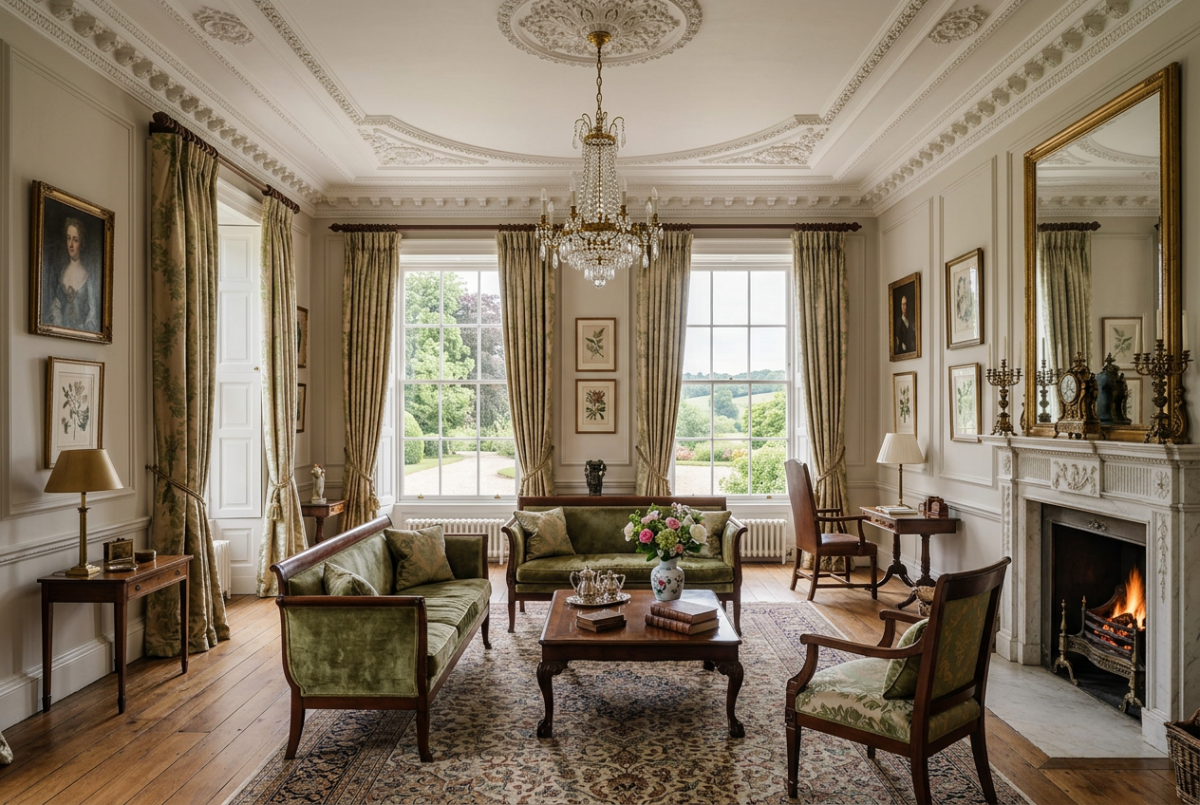
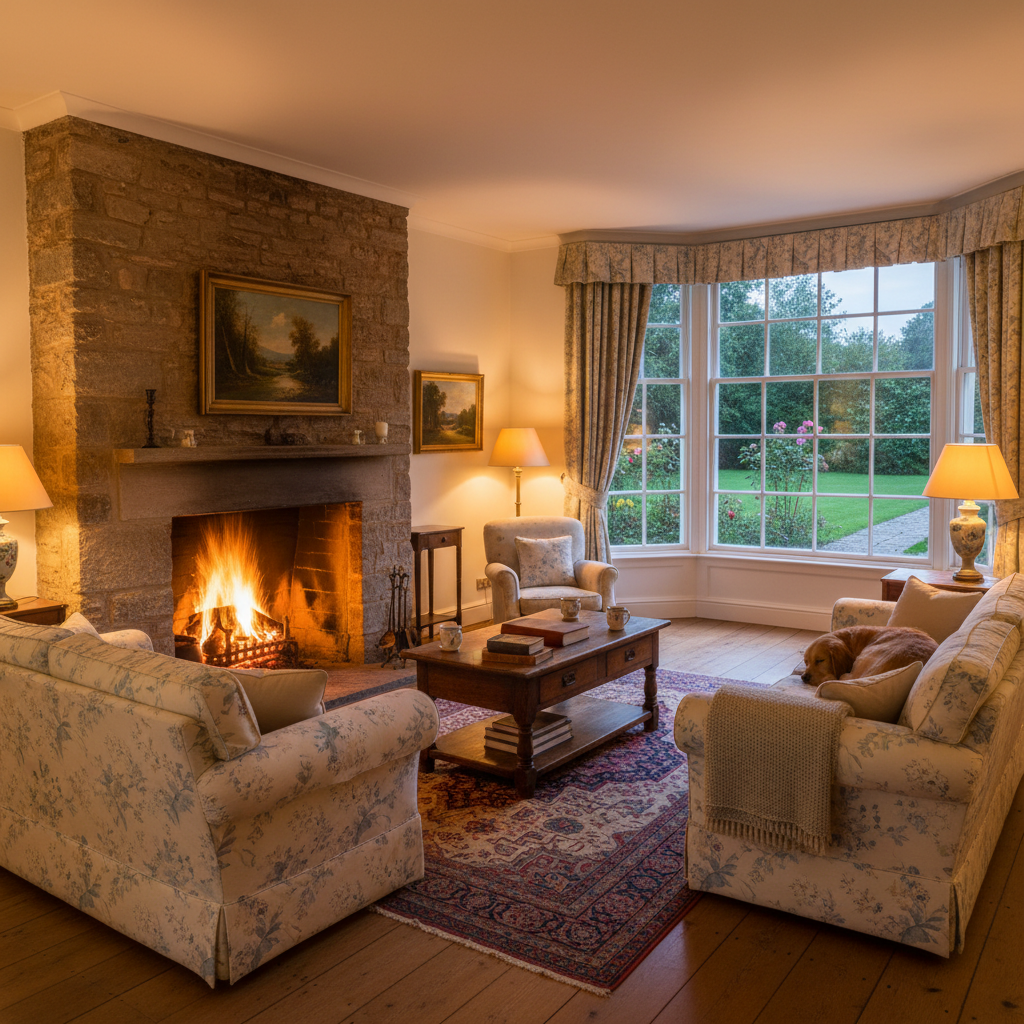
The best Georgian interiors do not need to feel museum-like. In fact, many of the most beautiful examples combine period architecture with comfortable modern country living. Antique furniture, patterned rugs, linen curtains, soft lighting, framed prints, inherited pieces and fresh flowers all work wonderfully in these spaces.
Georgian rooms suit a calm and layered approach. Rather than heavy decoration, the architecture itself provides the elegance. A well-placed mirror, a beautiful console table, a pair of traditional lamps or a timeless upholstered armchair can be enough to enhance the room without overwhelming it.
Why Georgian Homes Remain So Desirable
Part of the appeal of Georgian country homes is that they feel both historic and liveable. Their proportions are often more practical than older medieval or Tudor houses, while their architectural details give them far more character than many modern properties.
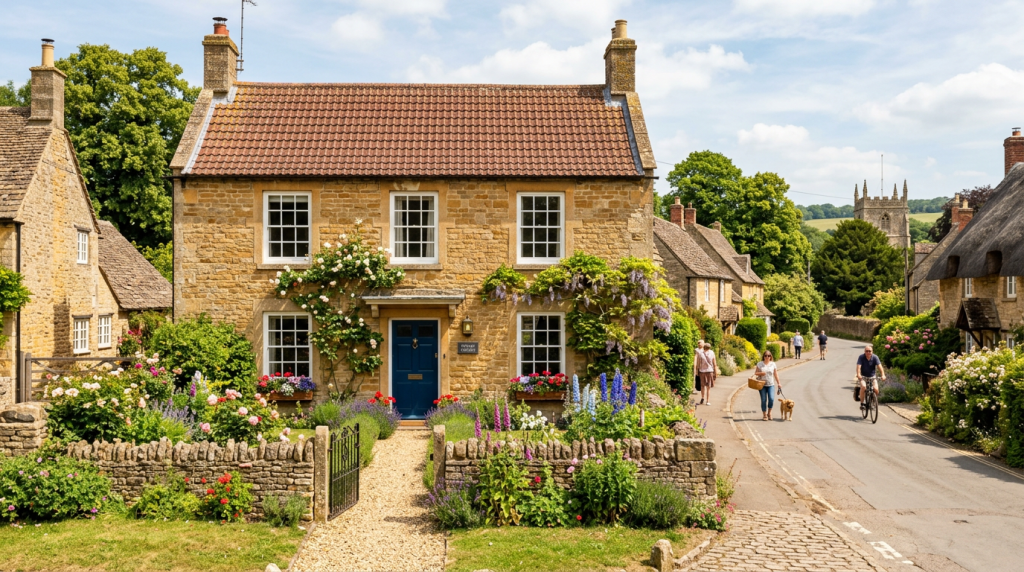
They also have a strong emotional pull. A Georgian house suggests permanence, refinement and a slower way of life. It evokes images of gravel drives, library fires, garden parties, Sunday lunches, polished staircases and morning light pouring through tall sash windows.
For international admirers of British country homes, Georgian houses often represent the classic image of rural elegance. Whether built in mellow Cotswold stone, warm red brick or pale limestone, they have a quiet confidence that never seems to date.
Tips for Owning a Georgian Country Home
Owning a Georgian country house can be deeply rewarding, but it also comes with responsibilities. These are historic buildings, and many are listed, meaning changes may require special consent.
Before purchasing or renovating a Georgian home, it is wise to consider:
- Maintenance requirements
Older homes need regular care. Roofs, chimneys, sash windows, stonework, brickwork and drainage should all be maintained properly. - Specialist tradespeople
Georgian properties often require skilled craftspeople who understand lime plaster, traditional joinery, historic glazing and period masonry. - Energy efficiency
Improving warmth and efficiency needs careful thought. Secondary glazing, insulation, draught-proofing and appropriate heating systems can help, but changes should be sympathetic to the building. - Respecting original features
Fireplaces, cornices, doors, shutters, staircases and floorboards are part of the character of the house. Preserving them protects both charm and value. - Understanding listing rules
If the property is listed, internal and external alterations may need consent. Always seek professional advice before making major changes.
The best Georgian renovations are those that allow the house to breathe. They preserve the elegance of the original architecture while making the home comfortable for modern life.
Shop the Georgian Look
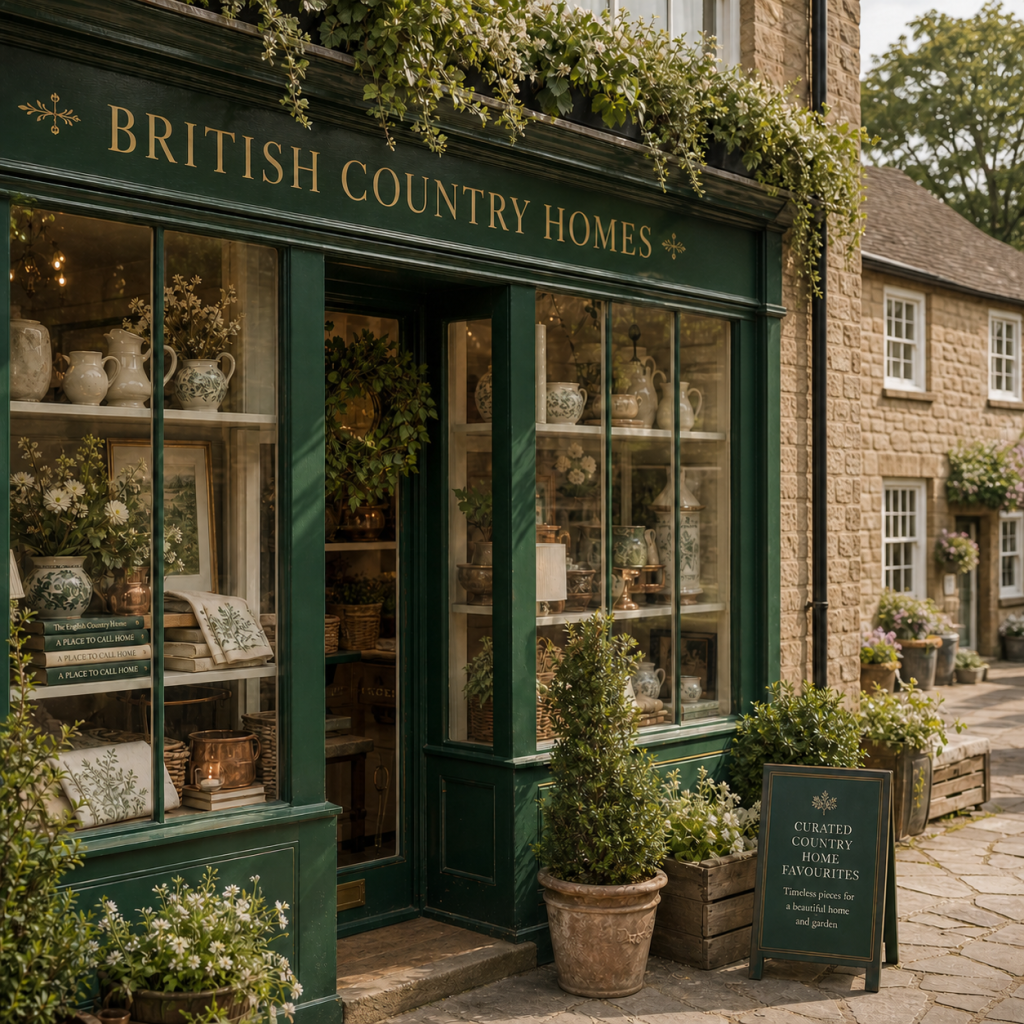
You do not need to own a Georgian manor house to bring a little of this style into your own home. The Georgian look is about elegance, balance and timeless detail.
Consider pieces that feel classic rather than fashionable:
- Gilt or antique-style mirrors
- Traditional table lamps
- Linen curtains
- Upholstered armchairs
- Framed botanical or architectural prints
- Marble-topped side tables
- Elegant candlesticks
- Classic dinnerware
- Soft wool rugs
- Symmetrical arrangements on mantels and consoles
The key is restraint. Georgian style works best when rooms feel considered, calm and beautifully proportioned. Choose pieces that look as though they have been collected over time rather than bought all at once.

To take a look at more beautiful country houses please click here or search below:
Final Thoughts
Georgian country homes remain some of the most beautiful houses in Britain. Their appeal lies not only in their architecture, but in the lifestyle they suggest: graceful rooms, peaceful gardens, long views across the countryside and a sense of history woven into everyday life.
Whether you dream of a grand manor, a handsome rectory or a smaller Georgian farmhouse, these homes continue to capture the imagination. They remind us that true elegance does not need to shout. Sometimes, it is found in perfect proportions, soft light, aged stone and a front door framed by climbing roses.
Love beautiful British country homes?
Sign up to the British Country Homes newsletter for weekly countryside inspiration, dream property features, heritage interiors and curated country style finds.

Dream Holiday Homes!
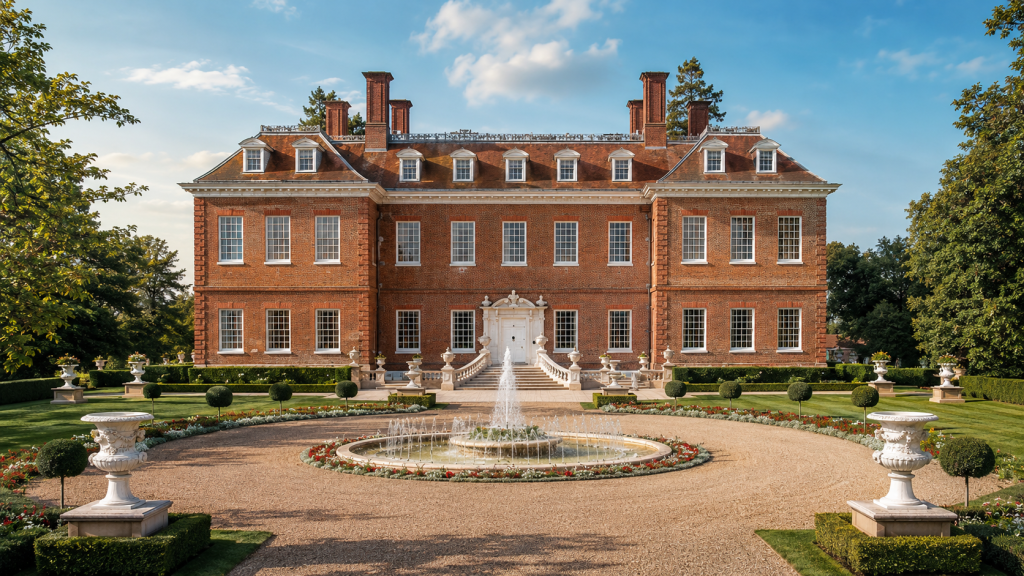
Denham Place: A Historic British Country House and Buckinghamshire Mansion

Period Homes Pt 1: Medieval & Tudor

Game, Set, Thatch!
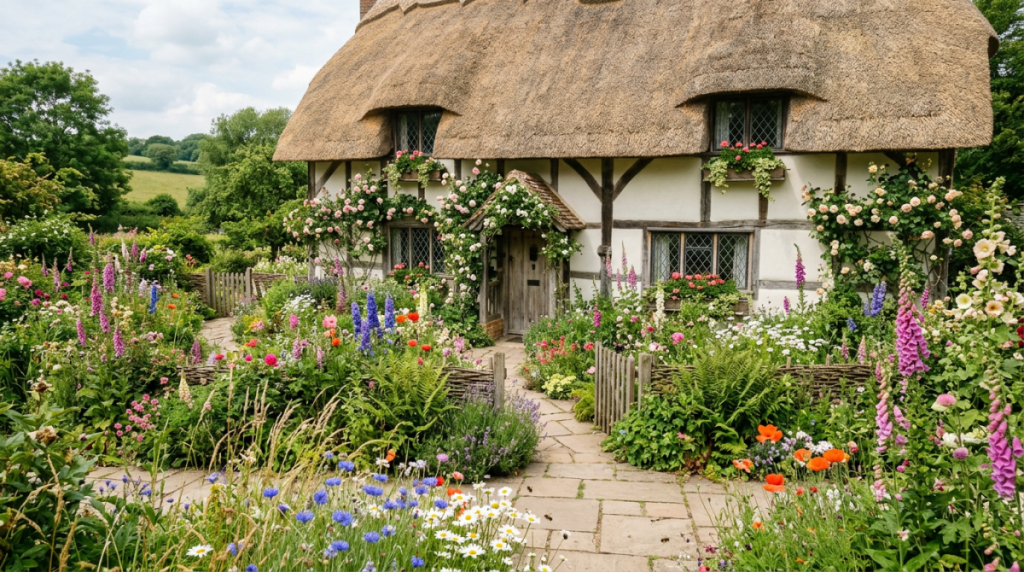
Exploring British Period Property: A Heritage Guide to Luxury Country Living

Daylight Robbery!
As in most countries throughout the world, everyone in Great Britain has to pay “council…

5 Timeless Interior Design Trends for British Country Homes in 2026
British country homes have always possessed a quiet confidence. Whether it is a honey-coloured Cotswold…

British Royal Palaces
Essential Tips for Designing a Classic British Country Home Interior
Creating a classic British country home interior is about more than just decoration; it’s about…
Country Style: Lounging around

All things… Cotswolds
The Cotswolds need little introduction. With honey-coloured villages, rolling countryside and some of Britain’s most…
